The very first time I watched Jake settle right into a sensory-smart saddle, he was as skeptical as any 9-year-old with a background of overwhelm. The sector was quiet, the mare breathing like a metronome. We included a soft, distinctive pad that he had picked himself, after that a handle he can hold without locking his arm joints. 10 minutes later, the bounce in his shoulders softened. He started matching his breath to the equine's exhale. By the time he got down, his jaw unclenched and color had returned to his cheeks. He walked back to his mother and claimed, practically surprised, "My body is quieter."
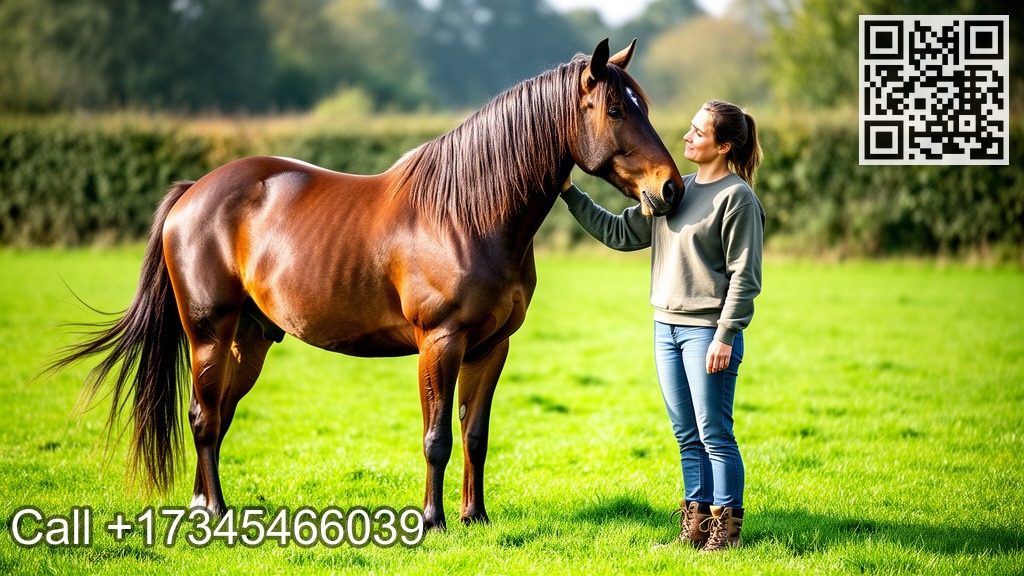
That is the assurance of a sensory-smart saddle when utilized with thoughtful facilitation. Not a miracle remedy, not an universal fix, yet a well developed way to tune the feel of the horse to satisfy a nervous system that requires a little much less sound or a little more feedback.
What makes a saddle "sensory wise"
A sensory-smart saddle is not a single brand or a secret blueprint. It is an idea. The saddle, pads, girth, stirrups, and add-ons are picked and gotten used to transform exactly how the rider receives input from the equine. The objective is to modulate experience so the nervous system can listen without being flooded.
Three sensory networks matter most on horseback. The vestibular system reads movement and alignment. The proprioceptive system reviews joint stress and muscular tissue initiative. The responsive system reviews touch, appearance, and temperature. Horseback movement boosts all three. A great sensory setup gives the right amount of information at the correct time, which is why equine-assisted services commonly combine steady horses with work therapy insight.
- Vestibular input comes from the horse's balanced gait, particularly at the stroll. Upright alignment, foreseeable pace, and sustained transitions help nervous systems organize. Proprioceptive input comes from weight through the legs, core co-contraction, and consistent stress at factors of get in touch with. Heavy elements and snug, even contact can be relaxing for those that look for deep pressure. Tactile input originates from the pad against the rider's legs, the feel of the seat, the handle under the hands, and also the horse's coat. Structure can either calm or scrape, depending upon the person.
When a teacher mentions restorative horsemanship, this layout lens is frequently at the office. We change the saddle, the pad, or the braces except style points but to alter sensory tons. Inside lots of autism equine discovering program setups, apparently tiny options like fleece versus natural leather can determine whether a session fizzles or flows.
The foundation: parts that change sensation
After 20 years suitable saddles for equine-assisted activities and exclusive lessons, I have a short list of elements that regularly aid motorcyclists with sensory obstacles. Not all are used at the same time. The art hinges on selecting as few as feasible to attain the needed effect.
Seat and structure. Deep seats assist motorcyclists really feel contained, while open flatter seats allow more activity. Some bikers discover a western or route encumber a moderate cantle develops a clear back border without feeling trapped. Others favor a well balanced English saddle or a purpose developed therapy saddle with large surface area contact to distribute pressure.
Handles and grips. A front handle, whether incorporated on a treatment saddle or added as a soft grab band, offers the hands a job. The trick is to prevent white-knuckle gripping. A rounded, cushioned deal with concerning 3 inches over the pommel generally motivates neutral wrists and arm joints. In my experience, a home-rigged strap as well close to the seat often produces tension.
Stirrups and leg position. Stirrups include proprioceptive feedback and a grounded sense of where the body remains in room. Security stirrups that release under load are vital for programs. Some bikers benefit from toe cages so they can push without fretting about foot placement. Others do better without stirrups, utilizing a bareback pad or thick foam pad to take in resonance and advertise gentle hip motion.
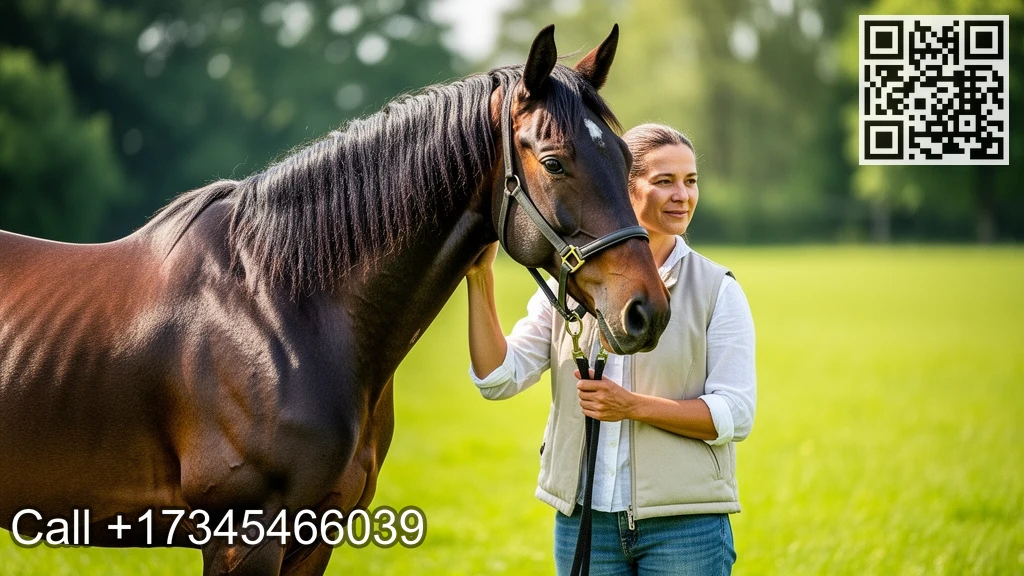
Padding and texture. This is where sensory-smart saddles really come alive. Sheepskin pads reduce shear and add a soft, temperature-regulating surface area. High density foam inserts wet vibration for bikers that are easily startled by motion. Textured pads, like quilted cotton with a pronounced weave, can help a rider situate their seat bones. I maintain numerous pad appearances and allow riders touch, contrast, and pick when appropriate.
Weighted elements. Subtle weights can give soothing input. A half pound to one extra pound of distributed weight included under the flap or a lightly heavy lap pad throughout the thighs may anchor a spooked rider. The total weight should be minimal for the equine and within the saddle's balance variety. Excessive weight undercuts the adventure and can make a delicate cyclist really feel reduced and trapped.
Girth and surcingle. A broad, elasticized girth that hugs uniformly can seem like a comforting belt. If the motorcyclist goes without a saddle, a surcingle with takes care of and a double-thickness pad can produce secure call points without the complexity of a complete tree.
Vibration factors to consider. Horses vary in how much activity they transmit. Broad backed, smooth-striding steeds frequently really feel much less disconcerting. If a motorcyclist shocks at unanticipated bounce, select that equine and include a damping pad. For motorcyclists under-responsive to experience, a springier mover may serve with marginal padding to enhance feedback.
These selections rest inside the bigger framework of equine-assisted solutions. Sensory-smart saddles are a tool in the kit. The planning constantly occurs around the person, the steed, and the session goals.
Why this counts for sensory regulation
Parents often ask why the steed assists when swings and weighted coverings have actually only relocated the needle a little. 2 reasons come up repeatedly in practice.
First, the steed's stroll mirrors human pelvic movement. At a stable stroll, a rider obtains gentle tri-planar movement that approximates exactly how we move via room on our own feet. That organized rhythm seems to aid the brain map the body. Tiny research studies have come along in postural control and focus after weekly equine sessions. Results vary by age and diagnosis, yet the pattern knows on the arena rail.
Second, co-regulation. An equine's breathing and heart rate offer living metronomes. Cyclists who have a hard time to downshift their nerve systems often discover it simpler to match another being than to adhere to a timer or a recording. When we match that co-regulation with the right level of responsive and proprioceptive input from a sensory-smart saddle, the body has a possibility to notice security again.
I have seen teens with ADHD concentrate long enough to find out an easy pattern experience, then lug that emphasis into institution the following morning. I have actually additionally seen setbacks when a program moved also fast or changed tools without warning. Sensory-smart methods responsive, not elaborate.
A silent craft: fitting series that appreciates the motorcyclist and the horse
Here is a basic series I utilize when introducing sensory-smart saddles. It stays clear of surprise and maintains the horse's convenience at the center.
- Start on the ground with touch selections. Offer two pad structures and a manage to really feel. Let the motorcyclist choice one. Fit the equine initially. Check the saddle's balance and wither clearance, then walk the equine in hand to validate totally free shoulder movement. Add the biker in stages. Mount, pause, take a breath, then walk one short loop. Readjust only one variable at a time. Check pressure factors. Move a hand under the thighs and along the girth area for locations or numbness signs after a couple of minutes. Keep a short first session. End while guideline is strong, log what worked, and repeat the next visit.
This is not a science-lab protocol. It is a humane rhythm that honors both partners. The equine's welfare is nonnegotiable. If the horse reveals pinned ears, tail swishing, or brief actions after devices adjustments, quit and reassess. A comfortable steed is a far better co-therapist.
Anxiety, autism, and ADHD: just how requires diverge
No 2 nerve systems offer the same, and diagnostic tags just mean what a person will feel on a horse. Still, patterns help us prepare.
For bikers seeking stress and anxiety support with horses, predictability matters. A take care of that feels the exact same each experience, a pad they identify by feeling, and a horse with a sluggish, also stroll create a feeling of control. Breath signs pair well with steady proprioception. I often include a gently weighted lap pad across the thighs for the initial few minutes, after that remove it as the cyclist settles.
In an autism equine discovering program, sensory accounts differ extensively. One 12-year-old may hunger for deep stress and endure a firmer, extra encompassing encumber toe cages and a tight girth. One more may require very little call, soft appearances, and a very short session to prevent overload. Aesthetic timetables and responsive tools can collaborate on the equine. When a rider can tap a distinctive pen on the handle to signal "pause," they find out agency without confrontation.
ADHD equine discovering support commonly takes advantage of clear physical borders with possibilities to move. Stirrups set to encourage a https://raymondfiku332.timeforchangecounselling.com/pathways-to-tranquility-stress-and-anxiety-support-with-horses-in-dexter minor bend at the knee, a handle for transitional minutes just, and short, purposeful tasks like cone weaving involve focus while giving responses. I stay clear of overpadding in these instances. Too much damping makes the trip feel dull and can in fact boost fidgeting.
Coaching and finding out past therapy
Sensory-smart equipment is not limited to professional sessions. Equine-facilitated training and equine-facilitated health care use steeds for experiential learning. Grownups in management workshops commonly uncover their own sensory choices on horseback. One executive I collaborated with discovered he held his breath in any type of brand-new job. We exchanged a slick leather seat for a grippy suede pad and added a soft grab band. With that tactile anchor, he located he can breathe and relocate his hips with the equine as opposed to bracing. The learning moved right into just how he took care of hard meetings.
In group structure with equines, a few sensory-smart choices let participants pick convenience without excitement. Some will pick a distinctive pad and a strong deal with for ground workouts, others will favor a minimal arrangement. That choice typically ends up being a mentoring conversation about exactly how they manage under stress. This is experiential understanding with horses at its finest, where equipment satisfies insight.
Safety, values, and the steed's say
Ethics live in the little selections. The steed is not a tool. Modification one variable at a time. Keep the overall weight within the horse's capability, that includes the rider and all tools. As a rule of thumb, lots of programs top total load at around 15 to 20 percent of the equine's body weight, after that change based on the equine's develop and health and fitness. If your saddle plus pads add several additional pounds, select a steed pleasantly within the range.
Clean equipment regularly. Some cyclists react to leftover detergent, woollen, or neoprene. If latex allergic reactions are in play, prevent certain foam pads or see to it they are completely framed. Mark gear by structure and function so you can duplicate an effective configuration week to week.
Pair a seasoned horse handler with an experienced facilitator. If you are offering equine-assisted services, maintain documents of personnel training and case reaction. The very best sensory planning will not make up for a barn that attempts to do too much with inadequate support.
Common pitfalls
The most regular mistake I see is piling on a lot of options simultaneously. Weighted pad, deep seat, double foam inserts, special stirrups, two manages. The rider winds up separated from the steed's activity and embeded a slim pose. Beginning with the least amount of equipment that solves the key problem.
Another error is altering structure or grip without caution. For a motorcyclist that depends on acquainted feeling to really feel secure, a brand-new pad can make an old equine seem like a stranger. If you need to switch gear, show the biker on the ground and invite their input.
Finally, keep in mind that some bodies carry orthopedic threats. Bikers with unstable hips, current back blend, or unrestrained seizures might require clinical clearance and adjusted tasks on the ground first. Many programs work together with healthcare providers to determine the most safe path.
Evidence and expectations
Research on equine-facilitated treatments is expanding yet still uneven. Small randomized trials and larger empirical researches have reported gains in equilibrium, core stamina, and self-regulation among children with autism and attention obstacles after 8 to 12 weeks of sessions. Parent reports often note boosted mood and sleep on adventure days. Not every participant improves in the same way, and not every gain holds without recurring support.
The tools item is also much less examined, primarily dealt with in method literature. That is where practitioner logs, moms and dad journals, and goal tracking aid. Usage straightforward actions, such as the variety of spontaneous deep breaths a biker takes per min, or time on task throughout a mounted pattern. Tools like Goal Achievement Scaling allow you track individualized outcomes without forcing a one-size metric.
Set expectations around the procedure. Sensory regulation frequently enhances throughout and soon after sessions prior to it generalizes. Anticipate a knowing curve over the initial 3 to 5 brows through as you adjust textures, fit, and timing.
Cost, sourcing, and straightforward swaps
Outfitting a sensory-smart setup does not need a custom-made $3,000 saddle. Several programs work within existing tack areas, including a few targeted items. A top quality sheepskin pad could set you back a couple of hundred dollars. Foam inserts and safety stirrups differ commonly. Soft grab straps are inexpensive and make a huge difference.
When spending plans are limited, I prioritize: a risk-free, correctly fitted saddle for the equine, a trusted deal with, and 2 pad appearances. Borrow prior to you acquire. If a rider gain from included weight, usage commercially offered, low-profile options developed for treatment as opposed to improvisating with house things. Equilibrium and also distribution matter.
A short preparedness look for brand-new riders
Here is a fast, plain-language checkpoint I share with households and grownups considering a sensory-smart approach.
- Can you rest with feet flat and accept gentle side-to-side activity for 10 seconds? Do you endure light discuss your thighs and reduced back from apparel without itching or pain? When distressed, do you find constant pressure or a company hug calming? Are you able to follow a basic two-step direction with assistance, like "hold the manage, after that take a breath out"? Is there a doctor we must speak with first concerning hips, spinal column, or seizure history?
A no to any kind of thing does not close the door. It just overviews where we begin, perhaps on the ground with the equine free, practicing breath job and touch choices.
How sessions unfold when the tools absolutely fits
On a good day with a brand-new motorcyclist, the barn scents like hay and leather polish, the equine stands square, and the initial touch happens on the ground. The cyclist scrubs the sheepskin pad and informs me it seems like her granny's wintertime layer. We cue the equine to walk on the lead line and suit steps. The motorcyclist methods a soft capture on the handle without leaning. We stop typically and observe.
Mounted, the equine walks a short track, then stops with a breath cue. We evaluate brace length and tweak the girth half a hole. The cyclist notices her feet. She states the pad feels cozy. 5 mins later she yawns, the most effective sign in the book. We finish by letting her choose where to place the tack away, palms level to press the pad right into location. It is sensory assimilation without a lecture.
With teens and grownups, the shape can be extra conversational. One young man with sensory looking for patterns might only work out when pressing hard through his feet. We included toe cages so he could push without worry, after that coached him to exhale on the lengthy side of the arena and soften his knees on the short side. The steeds instructed him a pacing approach that later appeared in his research habits.
Blending body job and learning
Sensory-smart saddles belong in a more comprehensive ecology. Somatic healing with horses utilizes activity and awareness to assist people feel comfortable in their bodies. Equine-assisted coaching links that body awareness with personal or specialist objectives. The saddle becomes a facilitator, not a star.
One coach I appreciate alternates between mounted job and quiet time in the pasture, asking customers to name 3 various sensations they discover in each context. The selection of a distinctive versus a smooth pad ends up being an allegory for just how they handle friction at the office. The horse responds to inner shifts even more truthfully than a human target market. People leave with a really felt sense, not just an idea.
The equine's discovering curve
We can not forget the equine companion's experience of all this sensory tuning. Some steeds take to therapy tack immediately. Others require time with new pads and manages moving around their barrel. Desensitization sessions must be brief, clear, and kind, always complied with by remainder. Expect subtle anxiety: limited lips, high head carriage, or breathing changes.
Rotate steeds with different sorts of work to protect their psychological health and wellness. Not every consistent install wishes to be a treatment horse 5 days a week. Some shine in equine-facilitated health teams where mounted work is very little, others enjoy the predictability of silent lead-line sessions. The even more we listen, the much better our outcomes.
When the saddle is not the answer
There are days to miss the trip. Illness, migraines, poor rest, hot windy afternoons when also skilled horses feel electrical. For some sensory profiles, the barn itself is abundant sufficient. Grooming with choice of brush structures, leading over poles, or exercising breath next to a hay web might provide the guideline required without including motion.
There are also people for whom placed job is not ideal. Extreme hip subluxation threat, unchecked epilepsy, or discomfort with axial loading might call for ground-based equine-assisted tasks only. Framing that boundary as treatment, not exclusion, maintains the door open to benefits that do not depend upon a saddle at all.
A few words on documentation and continuity
Programs that grow track details. Write down the precise pad and saddle combination, brace length in holes or inches, girth hole depend on each side, and the horse's name. Keep in mind cyclist monitorings in their very own words. "Seat really feels warm and blurry" is better than "great resistance."
Share these notes with the broader treatment team when relevant. Occupational therapists, counselors, and educators can strengthen policy approaches recognized in the arena. When equine-assisted services sit along with institution sustains or counseling, gains frequently stick much more reliably.
The heart of it
I keep going back to Jake, that discovered his body quieter with a couple of little adjustments and a kind horse. Sensory-smart saddles are not expensive. They are modest tools that make their keep by allowing the biker fulfill the steed in a way the nerves can deal with. For some, that implies barely-there cushioning and a lively walk. For others, it indicates a textured seat, a confident manage, and a sluggish lap around the sector with a trusted leader.
Call it alternative therapy for sensory difficulties if you like. In my barn, it resembles 2 beings discovering to breathe with each other, sustained by equipment that appreciates both. That learning transfers. A kid that can feel their seat bones and matter three breaths at the stroll typically finds they can sit through a mathematics lesson. A grownup that locates their hips again on a tough mare steps into hard discussions with less armor.
Whether your emphasis is therapeutic horsemanship, equine-facilitated training, or community-based equine-assisted tasks, the principle holds. Tune the sensory input to the motorcyclist, recognize the steed, and allow the job unfold at a human pace.